
We used to walk on eggshells.
Around toys.
Around noises.
Around emotions that didn’t just bubble up —
they exploded.
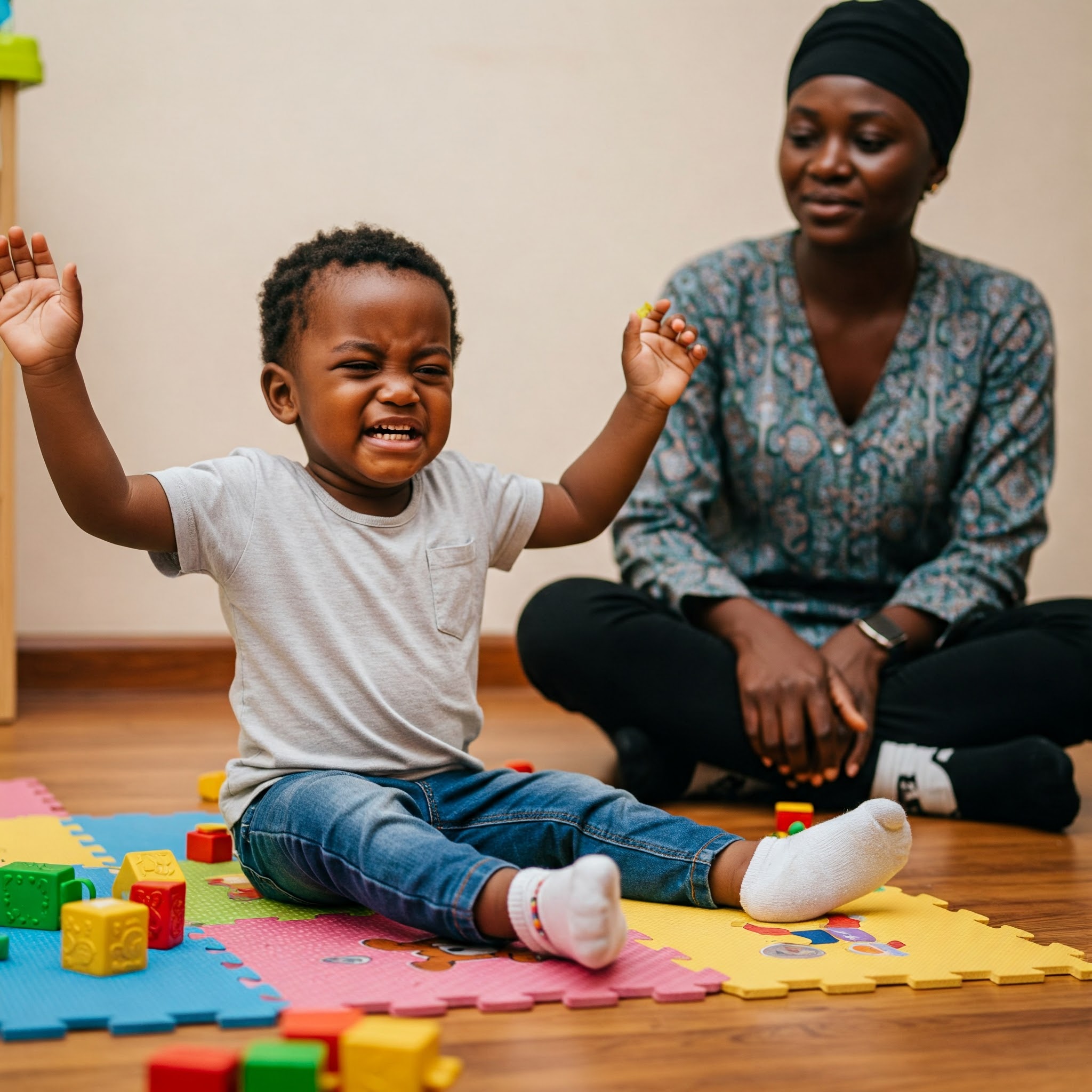
Jonah didn’t have tantrums.
He had storms.
Big ones.
Screaming until he lost his voice.
Throwing blocks at walls.
Biting his own hand because the feelings inside had nowhere else to go.
And the hardest part?
He didn’t want to be angry.
I could see it.
In the aftermath — after the rage, when the tears came — he’d look at me like he was sorry.
Like he didn’t know how it happened, or how to stop it.
And honestly?
Neither did I.
I read every book.
Every parenting blog.
Watched every “gentle parenting” video late at night, searching for the magic fix.
“Validate his feelings.”
“Offer choices.”
“Stay calm.”
I tried.
I really did.
But when your child is on the floor, screaming because the blue cup is in the dishwasher —
and now nothing in the world feels safe —
you start to wonder if love is enough.
Because love is soft.
And Jonah’s feelings were loud.
The day we started therapy, I sat in the car with the engine running for ten full minutes.
I almost turned around.
What if they thought I was the problem?
What if I had failed him?
But we walked in.
And we stayed.
His therapist, Mr. Eli, didn’t flinch at the screaming.
He didn’t scold or shush.
He sat on the floor and waited.
Jonah was rolling on his back, fists clenched, tears hot on his cheeks.
Mr. Eli said one thing:
“That’s a big feeling, huh?”
Jonah didn’t answer.
But he stopped thrashing for a moment.
And that was the start.
Over the next few weeks, we learned a new language.
Not words —
tools.
Visual cards with emojis for “mad,” “scared,” “tired.”
A small calm-down corner with bean bags and a glitter jar.
A weighted blanket for after meltdowns — when the crash hit, and Jonah’s body needed to come back to earth.
We didn’t talk about punishment.
We talked about regulation.
We didn’t ask “Why did you do that?”
We asked, “What do you need right now?”
There was one moment I’ll never forget.
Jonah had just gotten home from school — overstimulated, tired, shoes too tight, his routine slightly off.
The volcano was rumbling.
He kicked the wall.
Screamed that he didn’t want to eat.
Threw his lunchbox across the room.
I braced myself.
But then…
He stomped over to the fridge, pulled off a card, and slapped it onto the table.
The “mad” face.
He pointed at it.
Then pointed to the calm-down corner.
And I just stood there — stunned.
He didn’t bite.
He didn’t hit.
He told me — in his own way — what he needed.
I followed him to the corner.
Sat nearby, not speaking.
He buried his face into the bean bag and rocked.
Five minutes.
Ten.
Then he whispered, “I was mad.”
I nodded.
“I know, buddy. That was a hard afternoon.”
He looked at me.
“I didn’t break anything.”
“No. You didn’t.”
I smiled.
“You regulated.”
That night, after he fell asleep, I sat on the edge of his bed and cried.
Because for so long, I thought I had failed him.
But the truth is — I just hadn’t understood him yet.
Jonah didn’t need discipline.
He needed skills.
He needed space.
He needed safety.
He needed language for the hurricane inside his heart.
These days, he still has hard moments.
But now, he has choices.
He can stomp his feet instead of throwing things.
He can say “break!” when something feels too much.
He can retreat — not to avoid — but to come back stronger.
Sometimes, he still melts down.
But now, I don’t spiral with him.
Because we have a map.
And even when the feelings are big,
we know how to find our way back.
We used to walk on eggshells.
Now, we walk together —
over soft rugs, through deep breaths, and into a future filled with trust.
Jonah’s not broken.
He never was.
He’s just learning how to feel safely.
And honestly?
So am I.